Maati
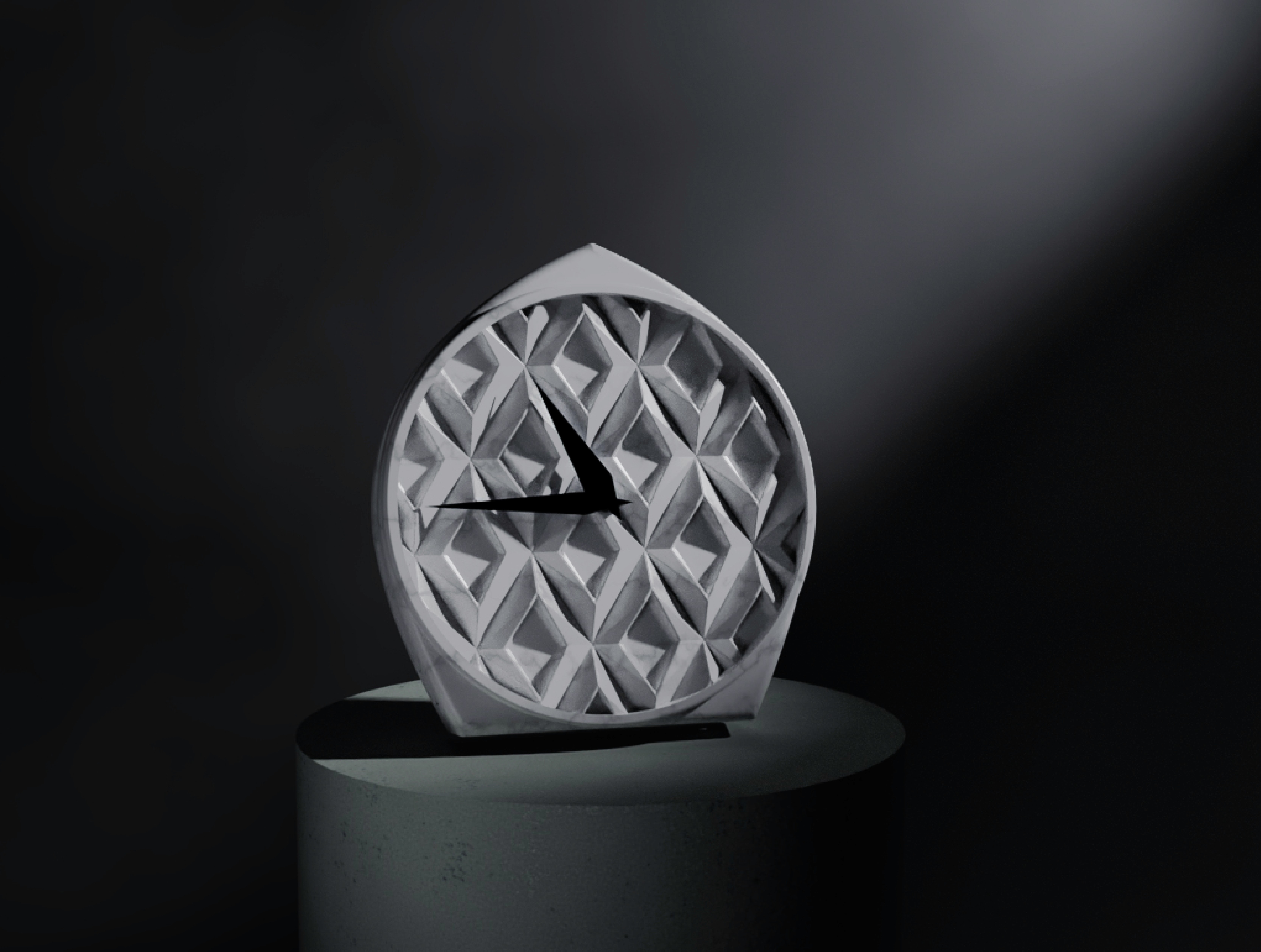
A commercially viable amenities collection that makes recycled plastic acceptable in hotels by matching the look, performance, and cost of conventional materials.
Project Type :
Industrial Design
Sector :
Upcycling Plastic
Role :
Product Designer
Project Duration :
4 months

ABOUT :
For my Graduation Project, I had the opportunity to collaborate with Moware, a Nepal based design lab that upcycles plastic waste from nearby regions into new products.
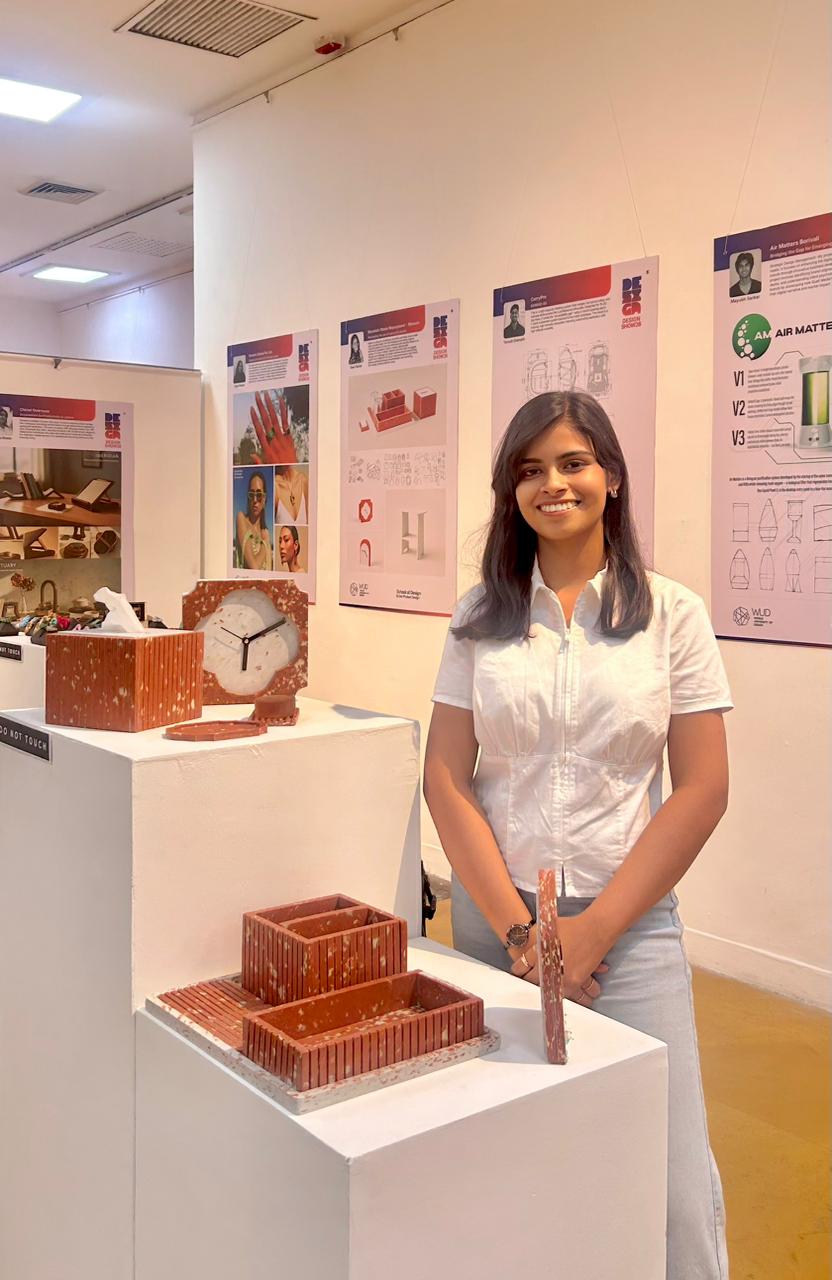
The project focused on designing a collection of products for the hospitality sector using recycled plastic while being visually cohesive and relevant in local context.

MY ROLE & IMPACT :
As a product designer, I worked on designing, developing, and prototyping two cohesive product collections using recycled polymer panels and CNC milling. The process focused heavily on understanding the material and working within real production constraints. The aim was to create products that feel relevant to the local context, while still being flexible enough to adapt for different clients and use cases.

CONTEXT
RESEARCH OBJECTIVE
I conducted 6 brief interviews with executives and decision makers in hospitality business to understand their thought process, priorities and constraints.
• To find out under what circumstances hotels are willing to use products made of recycled plastic.
• To understand how hotels currently source their furniture and amenities
• To learn why hotels might want to take a sustainable approach
• To learn what moware can offer to hotels to match the needs and expectations of the hospitality sector

KEY USER INSIGHTS :
Clients are often hesitant to adapt plastic products, mainly because they don’t associate them with the level of quality expected in a luxury setting.
Cost and efficiency clearly take priority over sustainability, design, or aesthetics when decisions are made.
Products are expected to be standardized and easily mass-produced, ensuring consistency across rooms and making them simple to maintain.

HOW MIGHT WE DESIGN EVERYDAY HOTEL OBJECTS FROM UPCYCLED PLASTIC THAT ARE TRUSTED FOR FUNCTIONAL USE IN PREMIUM HOSPITALITY ENVIRONMENTS?
The objective is to design a commercially viable amenities collection that makes recycled plastic acceptable in hotels by matching the look, performance, and cost of conventional materials.
Recycled plastic is not an ordinary material, that is the strongest narrative and its biggest challenge.
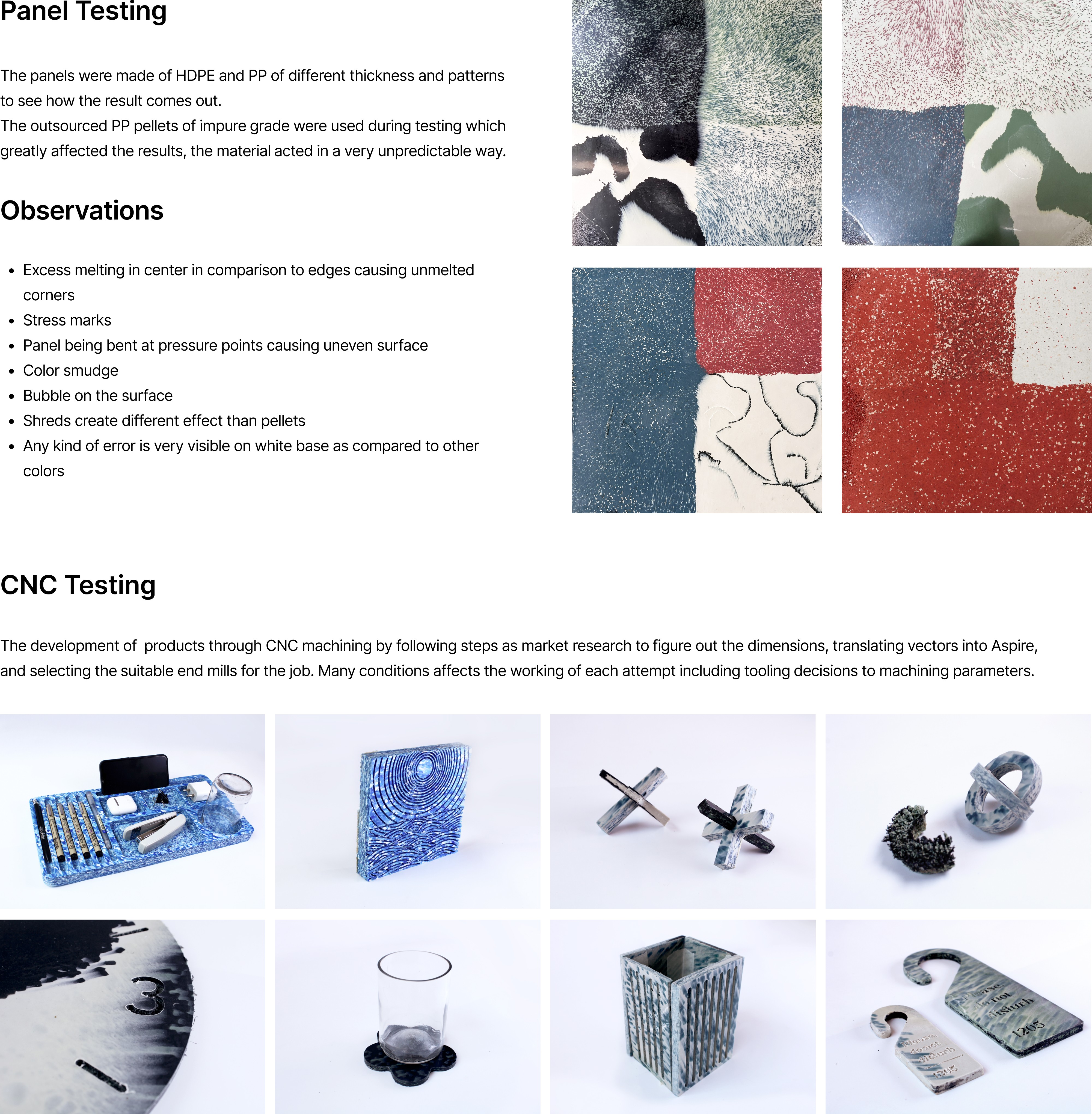
MATERIAL RESEARCH


INSPIRATION

THE IDEA


TAKEAWAYS
Real products, real feasibility concerns
It has happened countless times that the ideas were not executable so modifications were needed as per constraints. To bring maximum efficiency in production possible became one of the crucial factors while designing this collection unlike my prior way of thinking.If it doesn’t feel right, it probably isn’t
My initial ideas were - to some level satisfying my need to make something out of the box but in real environments functionality is more important than fitting into a concept on paper.Always stick to basics
I found myself stuck in ideations, trying to bridge the gap of creativity through forms and function. It occurred to me quite later that the answer was in the material itself. That is when I shifted my focus to making a versatile plastic composition for any use case.
More Projects

Maati
A commercially viable amenities collection that makes recycled plastic acceptable in hotels by matching the look, performance, and cost of conventional materials.
Project Type :
Industrial Design
Sector :
Upcycling Plastic
Role :
Product Designer
Project Duration :
4 months
ABOUT :
For my Graduation Project, I had the opportunity to collaborate with Moware, a Nepal based design lab that upcycles plastic waste from nearby regions into new products.
The project focused on designing a collection of products for the hospitality sector using recycled plastic while being visually cohesive and relevant in local context.
MY ROLE & IMPACT :
As a product designer, I worked on designing, developing, and prototyping two cohesive product collections using recycled polymer panels and CNC milling. The process focused heavily on understanding the material and working within real production constraints. The aim was to create products that feel relevant to the local context, while still being flexible enough to adapt for different clients and use cases.
CONTEXT
RESEARCH OBJECTIVE
I conducted 6 brief interviews with executives and decision makers in hospitality business to understand their thought process, priorities and constraints.
• To find out under what circumstances hotels are willing to use products made of recycled plastic.
• To understand how hotels currently source their furniture and amenities
• To learn why hotels might want to take a sustainable approach
• To learn what moware can offer to hotels to match the needs and expectations of the hospitality sector
KEY USER INSIGHTS :
Clients are often hesitant to adapt plastic products, mainly because they don’t associate them with the level of quality expected in a luxury setting.
Cost and efficiency clearly take priority over sustainability, design, or aesthetics when decisions are made.
Products are expected to be standardized and easily mass-produced, ensuring consistency across rooms and making them simple to maintain.
HOW MIGHT WE DESIGN EVERYDAY HOTEL OBJECTS FROM UPCYCLED PLASTIC THAT ARE TRUSTED FOR FUNCTIONAL USE IN PREMIUM HOSPITALITY ENVIRONMENTS?
The objective is to design a commercially viable amenities collection that makes recycled plastic acceptable in hotels by matching the look, performance, and cost of conventional materials.
Recycled plastic is not an ordinary material, that is the strongest narrative and its biggest challenge.
MATERIAL RESEARCH
INSPIRATION
THE IDEA
TAKEAWAYS
Real products, real feasibility concerns
It has happened countless times that the ideas were not executable so modifications were needed as per constraints. To bring maximum efficiency in production possible became one of the crucial factors while designing this collection unlike my prior way of thinking.If it doesn’t feel right, it probably isn’t
My initial ideas were - to some level satisfying my need to make something out of the box but in real environments functionality is more important than fitting into a concept on paper.Always stick to basics
I found myself stuck in ideations, trying to bridge the gap of creativity through forms and function. It occurred to me quite later that the answer was in the material itself. That is when I shifted my focus to making a versatile plastic composition for any use case.
More Projects
Maati
A commercially viable amenities collection that makes recycled plastic acceptable in hotels by matching the look, performance, and cost of conventional materials.
Project Type :
Industrial Design
Sector :
Upcycling Plastic
Role :
Product Designer
Project Duration :
4 months
ABOUT :
For my Graduation Project, I had the opportunity to collaborate with Moware, a Nepal based design lab that upcycles plastic waste from nearby regions into new products.
The project focused on designing a collection of products for the hospitality sector using recycled plastic while being visually cohesive and relevant in local context.
MY ROLE & IMPACT :
As a product designer, I worked on designing, developing, and prototyping two cohesive product collections using recycled polymer panels and CNC milling. The process focused heavily on understanding the material and working within real production constraints. The aim was to create products that feel relevant to the local context, while still being flexible enough to adapt for different clients and use cases.
CONTEXT
RESEARCH OBJECTIVE
I conducted 6 brief interviews with executives and decision makers in hospitality business to understand their thought process, priorities and constraints.
• To find out under what circumstances hotels are willing to use products made of recycled plastic.
• To understand how hotels currently source their furniture and amenities
• To learn why hotels might want to take a sustainable approach
• To learn what moware can offer to hotels to match the needs and expectations of the hospitality sector
KEY USER INSIGHTS :
Clients are often hesitant to adapt plastic products, mainly because they don’t associate them with the level of quality expected in a luxury setting.
Cost and efficiency clearly take priority over sustainability, design, or aesthetics when decisions are made.
Products are expected to be standardized and easily mass-produced, ensuring consistency across rooms and making them simple to maintain.
HOW MIGHT WE DESIGN EVERYDAY HOTEL OBJECTS FROM UPCYCLED PLASTIC THAT ARE TRUSTED FOR FUNCTIONAL USE IN PREMIUM HOSPITALITY ENVIRONMENTS?
The objective is to design a commercially viable amenities collection that makes recycled plastic acceptable in hotels by matching the look, performance, and cost of conventional materials.
Recycled plastic is not an ordinary material, that is the strongest narrative and its biggest challenge.
MATERIAL RESEARCH
INSPIRATION
THE IDEA
TAKEAWAYS
Real products, real feasibility concerns
It has happened countless times that the ideas were not executable so modifications were needed as per constraints. To bring maximum efficiency in production possible became one of the crucial factors while designing this collection unlike my prior way of thinking.If it doesn’t feel right, it probably isn’t
My initial ideas were - to some level satisfying my need to make something out of the box but in real environments functionality is more important than fitting into a concept on paper.Always stick to basics
I found myself stuck in ideations, trying to bridge the gap of creativity through forms and function. It occurred to me quite later that the answer was in the material itself. That is when I shifted my focus to making a versatile plastic composition for any use case.